Why Natural Stone Is a Popular Choice for Gardens
There’s something timeless about gardens that use natural materials. Indian sandstone slabs bring that quality effortlessly. With their earthy tones and textured surfaces, they slot into any outdoor setting without forcing the design. That balance between form and function is why many prefer natural stone to concrete alternatives.
Unlike materials that fade or crack over time, sandstone holds up well through every season. The slabs resist frost, tolerate rain, and handle foot traffic year after year. That durability makes them a long-term choice for those building spaces meant to be lived in, not just looked at.
For those who don’t want to spend weekends scrubbing or resealing, sandstone’s appeal only grows. Once installed properly, it doesn’t demand much. A simple sweep, occasional rinse, and minimal fuss keep it looking sharp. With so many colours and finishes available, it suits traditional lawns as much as modern decks.
Key Features of Indian Sandstone Slabs
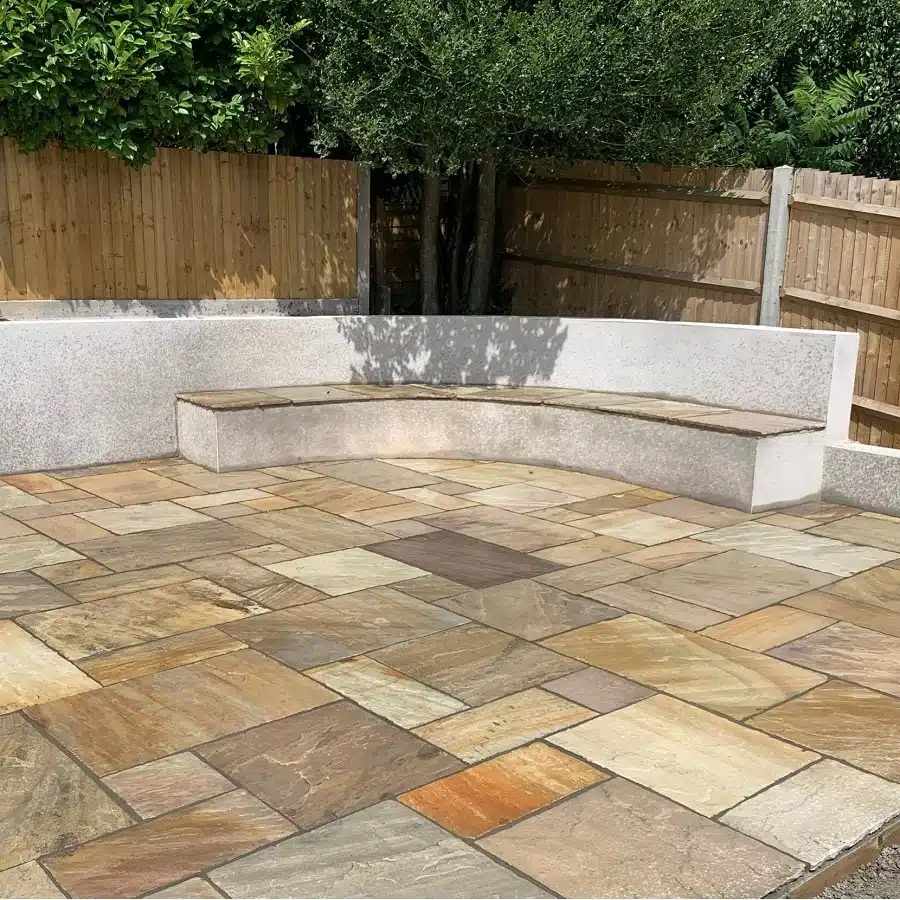
No two sandstone slabs are exactly alike. That natural variation is part of the charm. Subtle streaks, tonal differences, and gentle riven textures make each piece feel bespoke. In full sun or soft shade, those patterns shift slightly, giving gardens movement and visual interest throughout the day.
Safety matters outdoors, especially in British weather. Many sandstone slabs come with naturally rough textures that improve grip in the rain. That built-in slip resistance makes them a smart choice for homes with children, pets, or elderly family members.
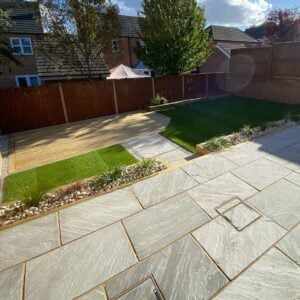
Another bonus is versatility. Sandstone doesn’t belong to one design trend. It works with English cottage borders, contemporary landscaping, or low-maintenance courtyard spaces. Whether set in grass or framed with gravel, the slabs complement the scene rather than steal it.
Design Ideas Using Indian Sandstone Slabs
Some gardens call for structure. Others ask for flow. Sandstone slabs answer both. Laid across a central patio, they create an anchor for seating or dining. Opting for a mixed-size slab layout adds texture without disrupting function.
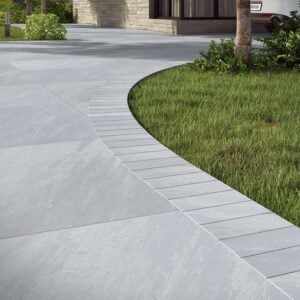
When used for pathways, sandstone guides the eye as much as the foot. Edging each side with cobbles or contrasting stone can highlight the route or help it blend naturally into the setting. For those who prefer soft transitions, letting grass or low-growing plants grow between slabs adds a gentle, informal edge.
In smaller spaces, sandstone works well to define focal zones. A slab circle kit, for instance, can frame a bistro table or firepit. Paired with well-placed lighting or planted borders, it makes the space feel curated rather than crowded.
Layering also helps. Sandstone can border raised beds or form steps between levels. That cohesion in materials ties the whole garden together, even when the features differ.
Popular Colours and Finishes
One of the most attractive features of Indian sandstone slabs is the wide variety of tones available. Among the most sought-after is Raj Green Indian Sandstone known for its soft blend of green, brown, and grey tones. It’s a versatile option that works equally well in traditional and modern spaces, adding warmth without overwhelming the design.
Other popular choices include pale greys, light beiges, and mixed tones that bring subtle contrast to outdoor areas. These colours tend to sit well with both lush greenery and minimalist planting schemes, offering flexibility across garden types.
The finish plays a key role too. A riven surface, naturally split and textured, suits rustic or countryside gardens. Calibrated slabs, with uniform thickness, allow for quicker, more precise installation, ideal for those who want a clean, contemporary finish without losing the stone’s natural character.
Laying Patterns and Installation Tips
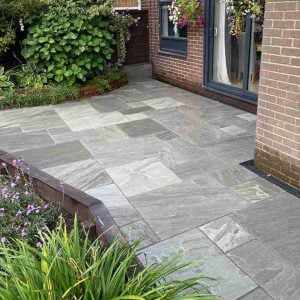
Indian sandstone is available in project packs and single sizes, which means homeowners or landscapers can choose between random patterns or more uniform layouts. Random laying often creates a more traditional or organic appearance, while regular laying gives a structured, formal feel particularly effective in courtyard or geometric spaces.
The size of the slabs should reflect the scale of the area. Large format slabs can make smaller gardens feel more open, while smaller sizes can help break up expansive spaces. When paired with thoughtful planting, the paving becomes part of the design rather than just a background.
Using the right grout and sealant is also key. Pointing with flexible, weather-resistant grout ensures a neat finish and prevents water ingress. A breathable sealant will protect the stone from stains without changing its natural colour. Both help extend the life of the slabs, especially in high-traffic or shaded areas.
Where to Buy Quality Indian Sandstone Slabs in the UK
Choosing the right supplier matters. Quality can vary across the market, so it’s worth seeking out a provider that offers genuine Indian sandstone, consistent sizing, and clear product details. Avoid options that seem overly cheap or vague on sourcing inconsistencies in tone, thickness, or strength can lead to long-term problems.
Customer reviews, trade experience, and aftercare support are useful indicators of reliability. Some suppliers also offer guides or telephone support for installation advice, which is especially helpful for DIY projects.
Look for delivery options that include secure pallet drop-off and clear timelines. A well-packaged order helps avoid delays or damage. Having trusted service from purchase to delivery makes the whole experience smoother and ensures the product arrives ready to install.

Write a comment ...